Inclusion and accessibility: communication for everyone
Communication allows us to share ideas, learn and participate in society. But what happens when a message is not accessible to everyone?
At congresses, conferences, events and in audiovisual content, certain barriers can make it difficult for some people to participate. Accessible communication aims to reduce these barriers so that more people can understand the information and take part in the experience.
Communication should adapt to people
Not everyone receives and processes information in the same way. That is why accessible communication means offering alternatives that address different needs.
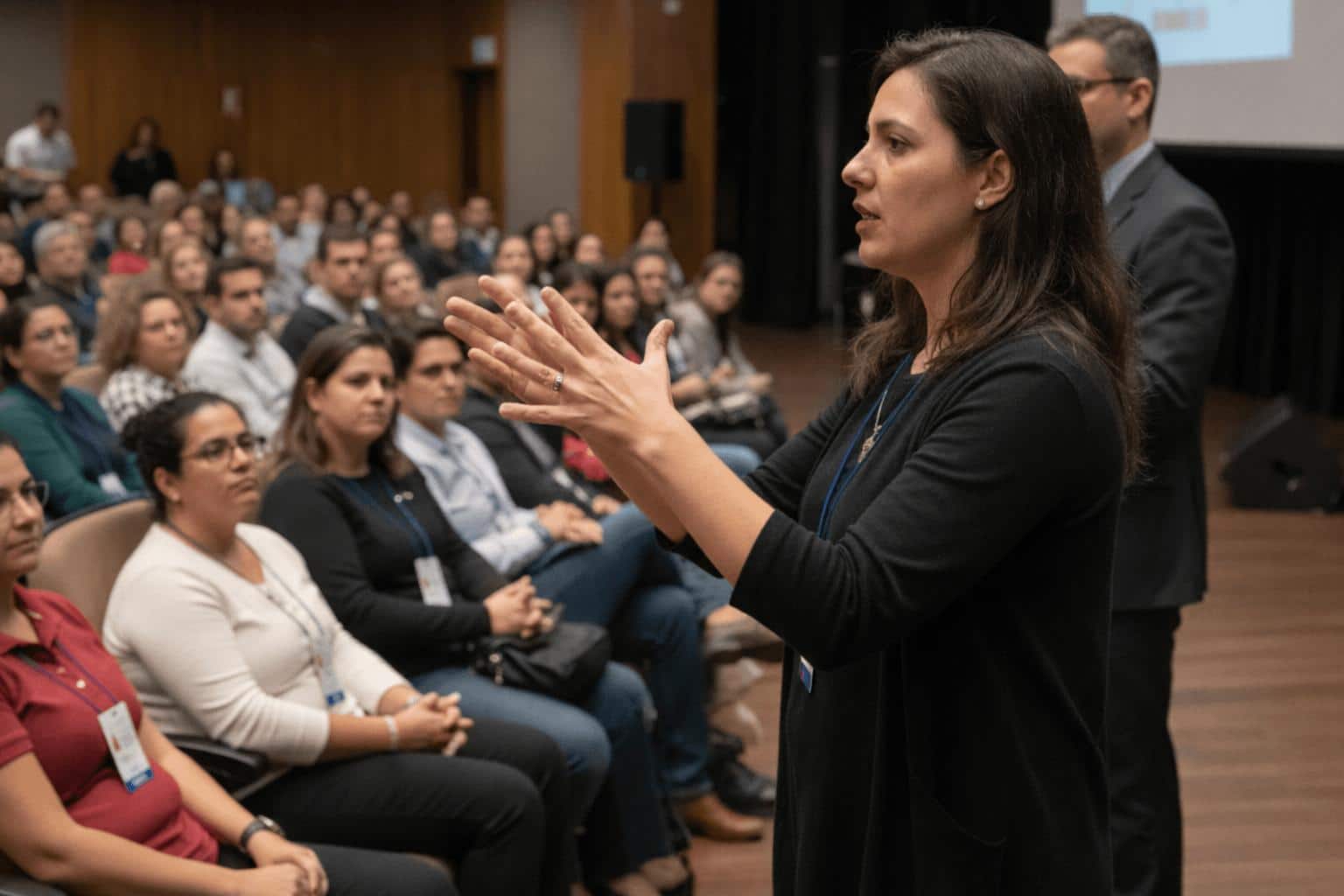
Sign language enables many deaf people to access communication through a visual language. Subtitling helps audiences follow speeches and audiovisual content, while audio description helps blind and partially sighted people understand relevant visual elements.
Other solutions include accessible documents, hearing assistance systems and technological tools that make information easier to access.
Each resource addresses different needs. The key is to identify barriers and plan how to remove them.
Accessibility also transforms events
At a congress or conference, making content understandable to everyone involves more than preparing a good presentation.
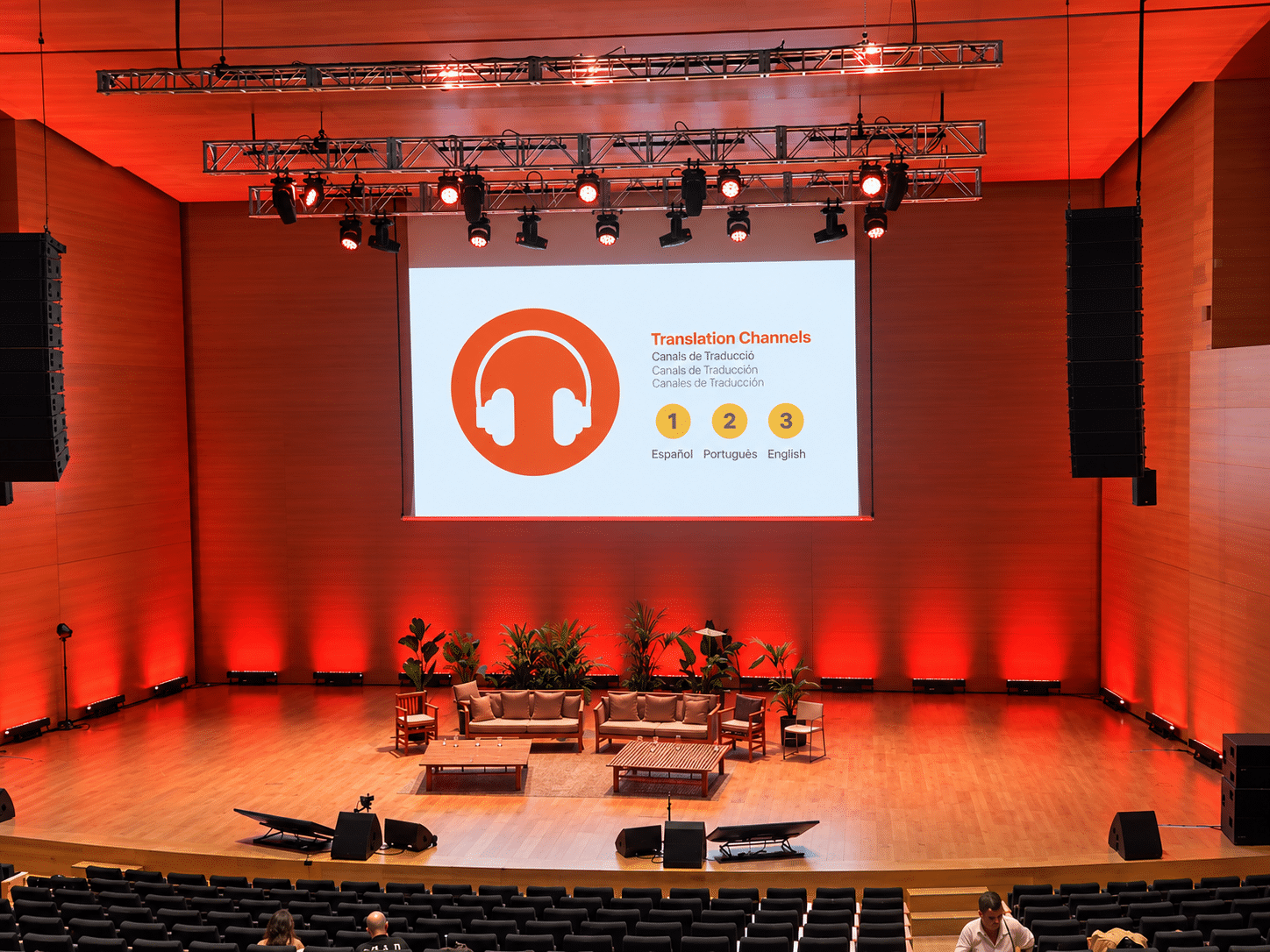
It is important to consider sign language interpreting, live subtitling, clear and accessible materials, venue accessibility and the tools available to follow presentations.
These solutions should also be planned in advance so they can be properly integrated into the event.
Accessibility should not be a last-minute addition, but part of the experience's design from the very beginning.
Technology and people working towards inclusion
Technology offers new ways to improve communication accessibility, from automatic subtitling to digital platforms that enable remote participation.
However, having a tool does not automatically guarantee an accessible result. Accuracy, context and the needs of each audience remain essential. That is why professional supervision and human judgement continue to play an important role.
At Aadimatiq, we see accessible communication as part of a broader vision: creating experiences in which more people can understand, participate and feel included.
Because good communication is not just about delivering a message, but making sure it reaches people.
The next time we organise an event, it is worth asking ourselves: are we designing experiences for everyone?